
 Book Appointment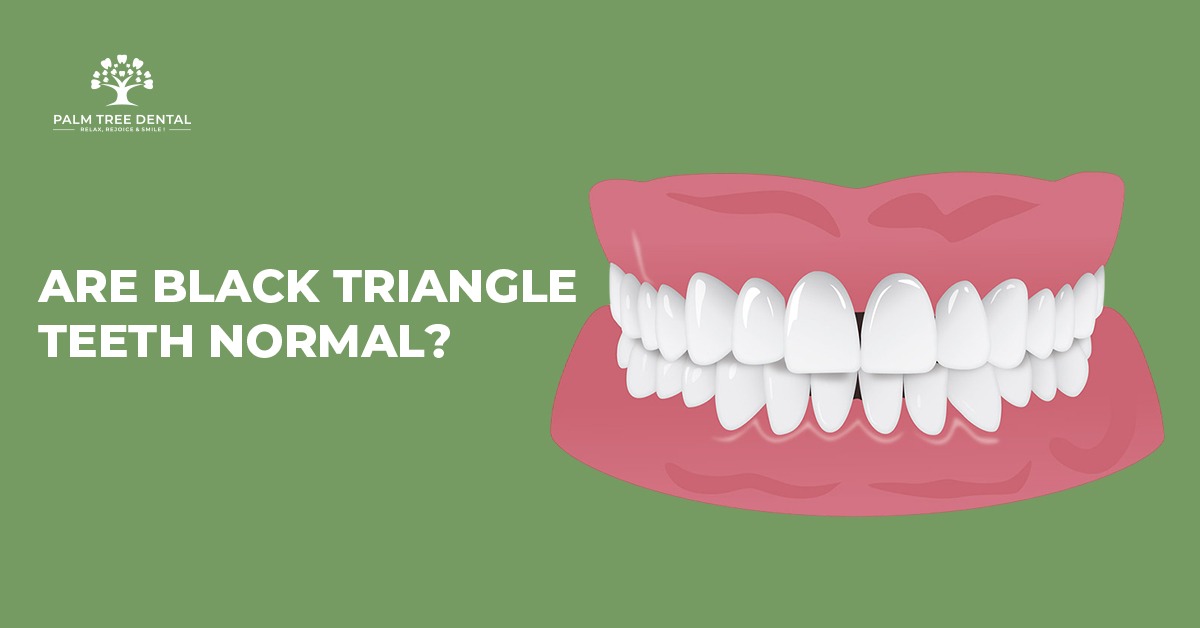
A great smile can do wonders for confidence. But now and then, something unexpected shows up, like those small dark gaps near the gum line. These are called black triangle teeth. They’re familiar enough to recognize, but troubling enough to concern you. It may be the appearance itself, as well as the fear of something lurking beneath the surface, but it’s necessary to uncover the truth that the spaces reveal.
Having black triangle teeth is not always a problem, though sometimes these teeth can indicate a problem with your gums and teeth. Sometimes these teeth may be cosmetic, while at other times they may indicate changes occurring in your mouth. The best part is that these teeth can be managed.
What Exactly Are Black Triangle Teeth?
The name says it all. Black triangle teeth are the tiny triangular spaces that are found between the teeth near the gum line. This occurs because the gum tissue, or papilla, doesn’t fill the area between the teeth as it should.
They may just appear as a cosmetic anomaly at first glance. However, they can also act as a food trap or a place where plaque can collect, leading to gum disease or tooth decay if left untreated. Most people first notice a change in their smile when their gum line is fuller.
Why Do These Gaps Form in the First Place?
There are a few reasons why these dark triangles can form. Some of these have to do with aging, and some of them have to do with habits and previous treatments. These are the common causes:
- Gum Recession: Gum recession caused by overaggressive brushing, aging, or gum disease results in the papilla being reduced in size, creating a gap.
- Bone Loss: Losing bone support around the teeth gives the gums less to hold on to, causing them to recede.
- Orthodontic Changes: Teeth can move slightly after wearing braces or an aligner, which makes spaces more apparent.
- Tooth Shape: Teeth can move slightly after wearing braces or an aligner, which makes spaces more apparent.
- Ageing: With time, the gum tissue gets thinner, and this raises the chances of these areas being present.
Are These Gaps Considered Normal?
While many people have them, black triangles aren’t ideal. They tend to indicate gum recession or changes in the bone structure. However, this is not always a serious concern. Some people may view them as aesthetically displeasing or as a place where food may become stuck.
It is always best to seek a dentist’s judgment on this matter. This will help you determine whether it is just a cosmetic problem or whether it needs attention.
How Can They Be Treated or Fixed?
There are several options available, depending on how big the gaps are and what caused them:
- Dental Bonding: This involves applying a tooth-coloured resin to reshape the teeth and reduce the gaps.
- Porcelain Veneers: Veneers cover the visible part of the teeth and can completely hide those black spaces.
- Orthodontic Adjustments: A little tooth movement can close up gaps or improve how the gums sit between teeth.
- Gum Grafting: If the problem is gum loss, tissue grafts can help rebuild that fuller gum line.
- Better Oral Care: Switching to a soft-bristle brush and being gentle with cleaning helps prevent future damage.
Keeping Those Gaps Away in the First Place
Prevention is always better than a cure. Gently brush and floss your teeth, and visit your dentist for regular cleanings. When your gums become sensitive and start to recede, consult your dentist to avoid the development of black triangles.
Final Thoughts
Black triangle teeth may be small in size, but they can impact how you feel about smiling. They don’t have to remain that way. With proper attention and some clever strategies, you can eliminate them and promote gum health at the same time.
Looking for help that’s friendly, professional, and focused on your smile? Book a visit with Palm Tree Dental and take the first step toward a healthier, more confident look.